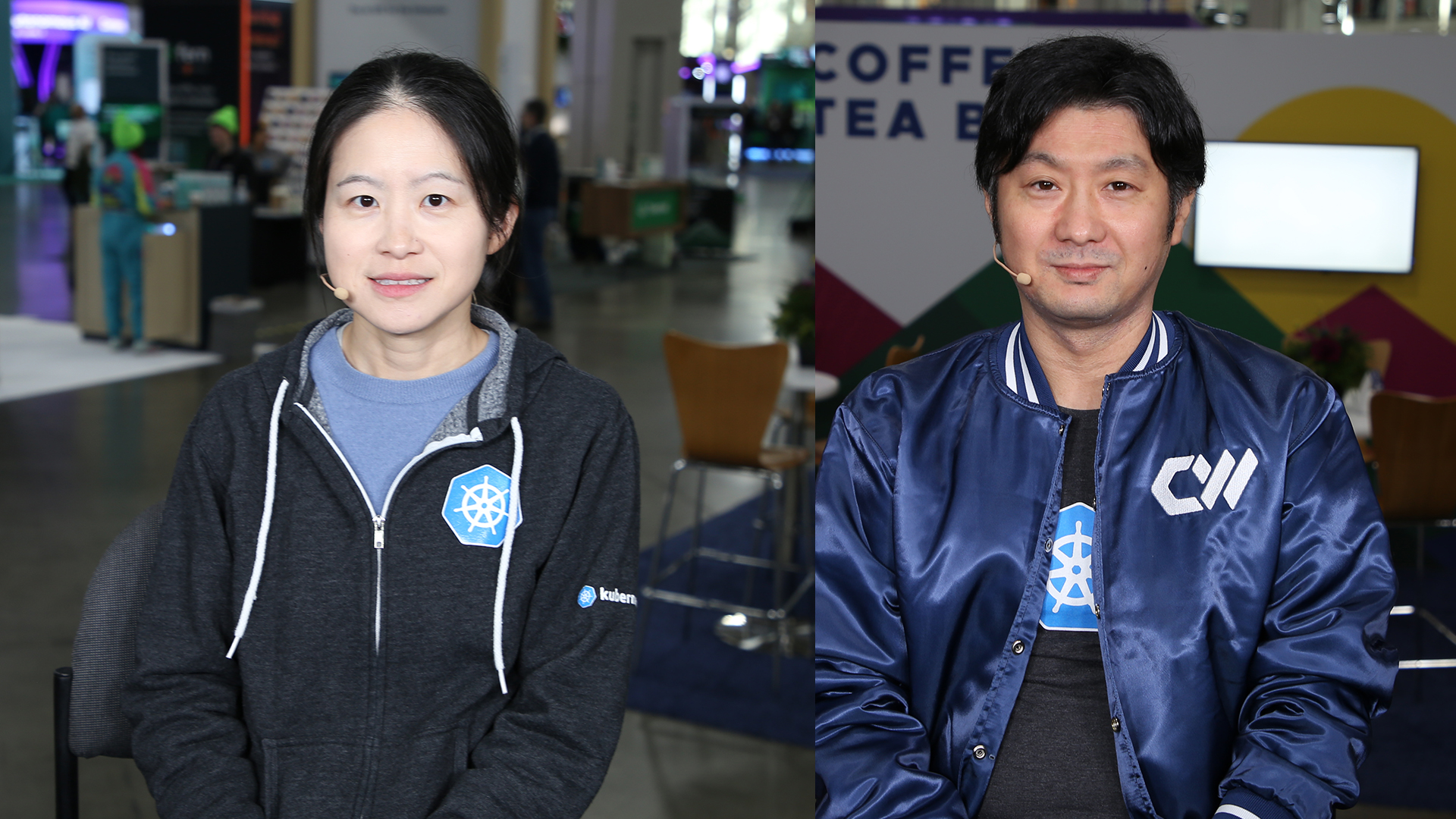
CoreWeave is moving deep into the open-source Kubernetes space to solve the messy reality of running AI inference at scale. It is not just about downloading model weights anymore, it is about the infrastructure plumbing that actually keeps them running in production.
🎯
Why It Matters
For builders, the bottleneck has shifted from how to train a model to how to serve it reliably without breaking the bank. If CoreWeave wins the orchestration layer, they become the default rails for enterprise AI deployment.
📈
Market Impact
This shifts the competitive battleground from raw GPU availability to the software layer that manages it. CoreWeave is positioning itself to steal market share from generalist cloud providers by owning the specialized Kubernetes stack.
🚀
Opportunities
→Build specialized tooling for Kubernetes-based inference orchestration rather than just another model wrapper.
→Focus on high-reliability, low-latency serving layers that integrate directly with existing enterprise Kubernetes workflows.
→Exploit the integration gap by creating middleware that abstracts the complexity of managing GPU clusters for smaller dev teams.
⚠️
Risks & Challenges
→The feature vs. moat trap: Big cloud providers like AWS or GCP could simply bake these open-source improvements into their own managed services.
→Complexity bloat: Over-engineering the orchestration layer could lead to massive operational overhead for startups that just need a simple API.
Deep Intelligence Analysis
The Death of Model-Only Novelty
Being able to download a model from Hugging Face is easy. The real work is keeping that model running under heavy traffic without blowing your budget or crashing the system. We are moving from a world of model benchmarks to a world of deployment efficiency.
Follow the Orchestration Money
CoreWeave is playing a smart long game. By contributing to open-source Kubernetes projects, they ensure the industry standards favor their specialized hardware-centric cloud. They aren't just selling chips, they are selling the environment that makes those chips useful.
The Distribution War
Model quality is becoming a commodity. The winners in this cycle will be whoever makes it easiest for an enterprise to hit deploy and have it work. If you control the infrastructure layer, you control the customer relationship.
What to Watch
Watch the adoption rates of specialized Kubernetes operators for AI. If we see a surge in enterprise migrations toward specialized AI clouds over generalist ones, CoreWeave's bet is paying off.
Key Details
Solving the orchestration headache is more valuable than training the next slightly better LLM.
Investors should look past model benchmarks and toward companies solving production-grade serving issues.
Build the tools that make models usable for the enterprise, focusing heavily on the integration layer.