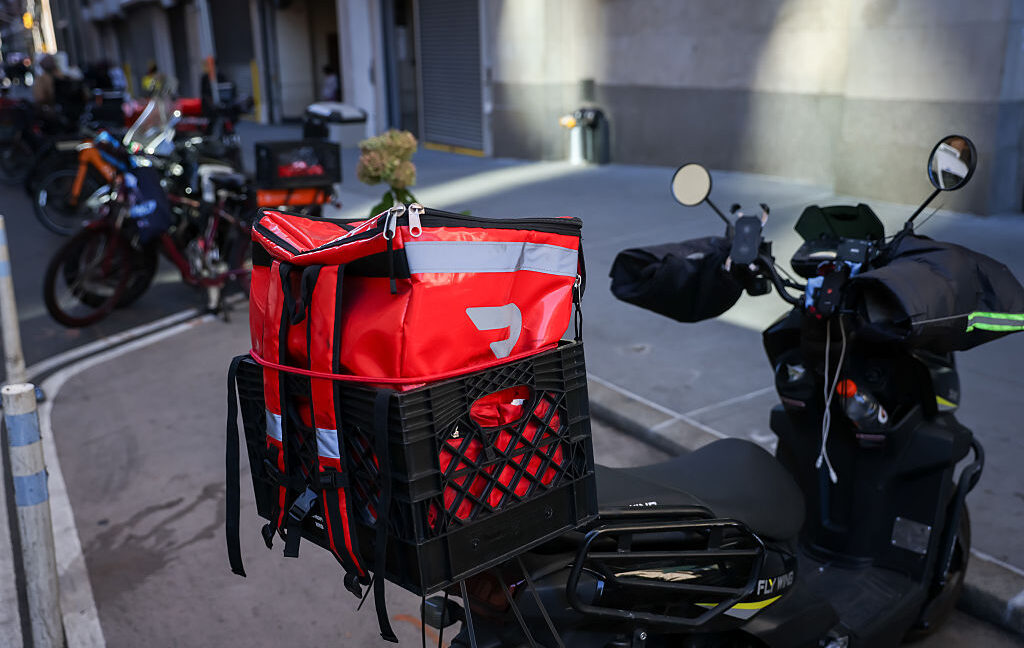
The agentic era of e-commerce is currently a ghost town. Despite the massive hype around autonomous agents, DoorDash reports that they have only driven a few hundred orders so far.
🎯
Why It Matters
This is a reality check for anyone betting on the immediate death of the search and click model. Builders need to realize that food is high-stakes and low-margin, meaning tiny AI errors lead to massive customer churn.
📈
Market Impact
It signals a pivot from general LLM wrappers toward specialized agents capable of handling complex consumer preferences and secure, authenticated payments.
🚀
Opportunities
→Build human-in-the-loop middleware that lets agents draft an order for a user to one-tap confirm, rather than aiming for full autonomy.
→Develop specialized preference mapping layers that translate vague human intent, like something spicy but healthy, into specific menu items.
→Create machine-readable commerce APIs that allow agents to talk directly to legacy restaurant systems without needing a human-facing UI.
⚠️
Risks & Challenges
→The trust gap is a killer: even a 5% error rate in a food order can permanently destroy a user's willingness to use an agent.
→Agent wrappers that rely on scraping websites will struggle as merchants implement stricter bot detection and specialized agentic gateways.
Deep Intelligence Analysis
The Hype vs. Reality Gap
While Silicon Valley talks about agents doing everything, the actual transaction data shows we are still in the experimental phase. The gap between an LLM being smart and an LLM being reliable enough to buy dinner is massive.
The API Bottleneck
The problem isn't that agents are stupid. The problem is that most e-commerce platforms are built for human eyes, not machine code. Until merchants provide standardized, agent-friendly interfaces, agents will remain stuck scraping messy websites.
The Power User Signal
Don't write off the low volume just yet. A small group of hyper-efficient power users might be testing the limits, and their behavior will dictate whether this is a niche tool or a mass-market shift.
What to Watch
Watch for the rise of intent and confirm workflows rather than set it and forget it autonomy. Keep an eye out for any moves by DoorDash to release dedicated agentic APIs for third-party developers.
Key Details
In food, a single mistake ruins the UX. Builders should prioritize accuracy and verification over pure autonomy.
The real win isn't the transaction, it is the ability to turn vague human vibes into specific, executable orders.
Investors should look past the pretty UI wrappers and find the companies building secure, agent-to-merchant payment rails.