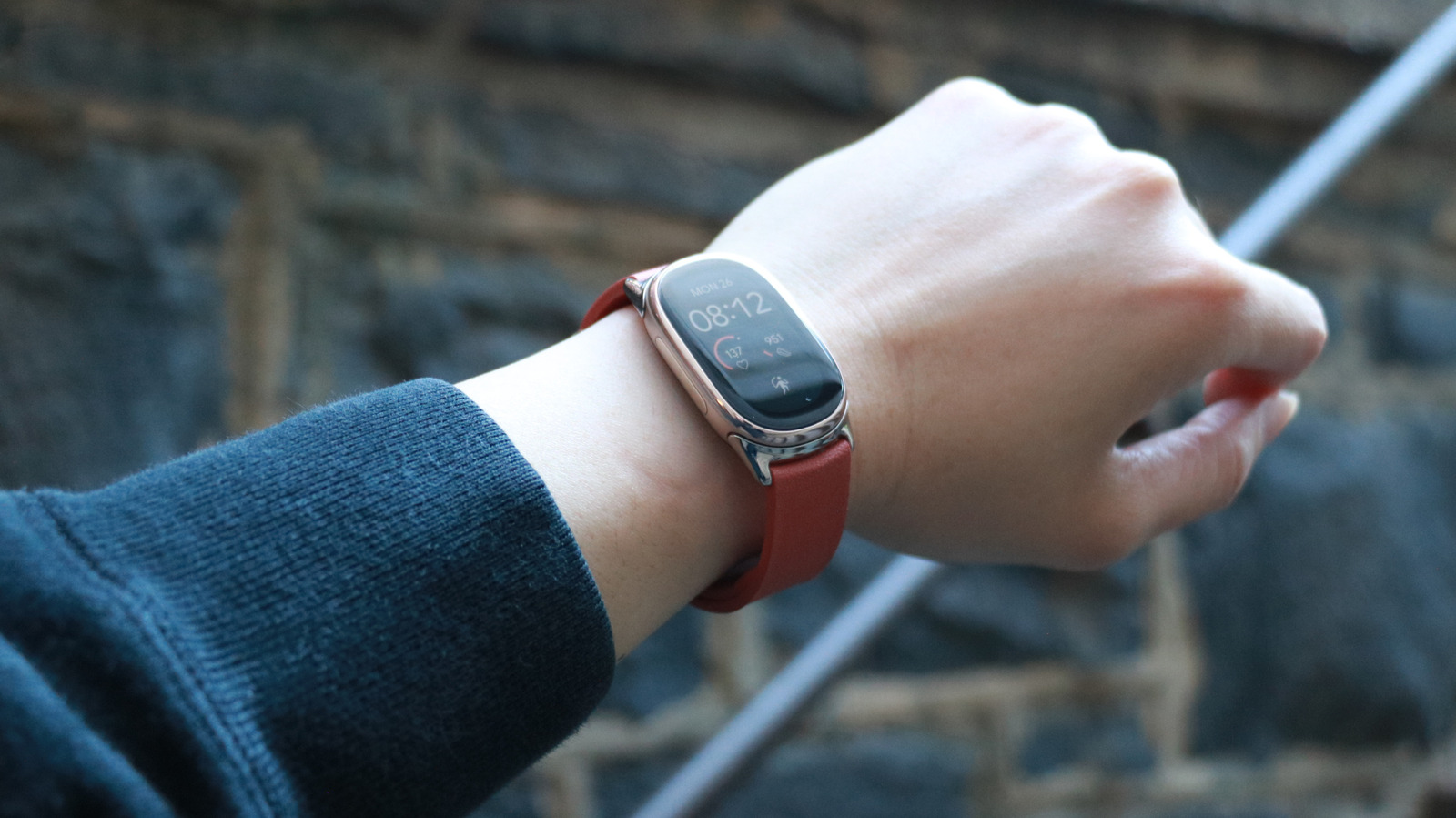
Google is betting on a "no-AI" wearable with the Fitbit Edge. It targets people who want high-quality fitness tracking without the cognitive load of a mini-computer on their wrist.
🎯
Why It Matters
It proves there is a massive, underserved market for "subtraction" as a product feature. Builders shouldn't assume every new hardware play needs more LLMs to be viable or profitable.
📈
Market Impact
Google is bifurcating its wearable strategy to defend both the AI-first enthusiast and the utility-first athlete. This forces competitors like Apple and Samsung to decide if they are building smartwatches or digital companions.
🚀
Opportunities
→Develop "calm tech" hardware that focuses on single-task utility and high-end industrial design over software density.
→Build software layers that act as distraction filters rather than additional notification sources for existing wearables.
→Target the "analog-digital" segment by creating wearables that look like jewelry but provide deep, silent metrics.
⚠️
Risks & Challenges
→Google might be using "simplicity" as a shield to hide a lagging AI integration roadmap for the Fitbit brand.
→Niche, low-feature hardware often struggles with long-term margins as software-heavy competitors drive down unit costs through scale.
Deep Intelligence Analysis
The Power of Subtraction
While everyone else is racing to jam LLMs into every sensor, Google is finding value in doing less. The Fitbit Edge moves away from feature creep to solve for actual notification fatigue. It's a bet that users want tools, not digital nannies.
Brand Fragmentation Play
Google is playing a double game. They are pushing AI-heavy Pixels for the techies and stripped-back Fitbits for the fitness purists to capture two different wallets. This allows them to dominate both the high-tech and high-utility segments simultaneously.
The Invisible AI Future
The real winner won't be the "no AI" device or the "AI-only" device. It will be the one that makes intelligence feel ambient and invisible. If the tech works without you having to interact with it, that's the ultimate product win.
What to Watch
Track the sales mix between Pixel and Fitbit over the next two quarters. If Fitbit gains ground, it is a clear signal that consumer AI fatigue is real and actionable for hardware founders.
Key Details
As AI becomes ubiquitous, the ability to disconnect becomes a luxury people will actually pay for.
Operators should look for where they can remove friction rather than just adding new, shiny capabilities.
Investors must check if "minimalism" is a deliberate design choice or just a lack of technical roadmap.