AI Productsโšก TRENDING

GM's breakup with CarPlay and Android Auto has one exception

Source: EngadgetIntelligence analysis by Daily Launch
๐Ÿ“… Sep 8, 2026
โฑ 3 min readBreaking
Intel Score8/10
Market ImpactCritical
InnovationHigh
AdoptionLow
RiskHigh
The Gist

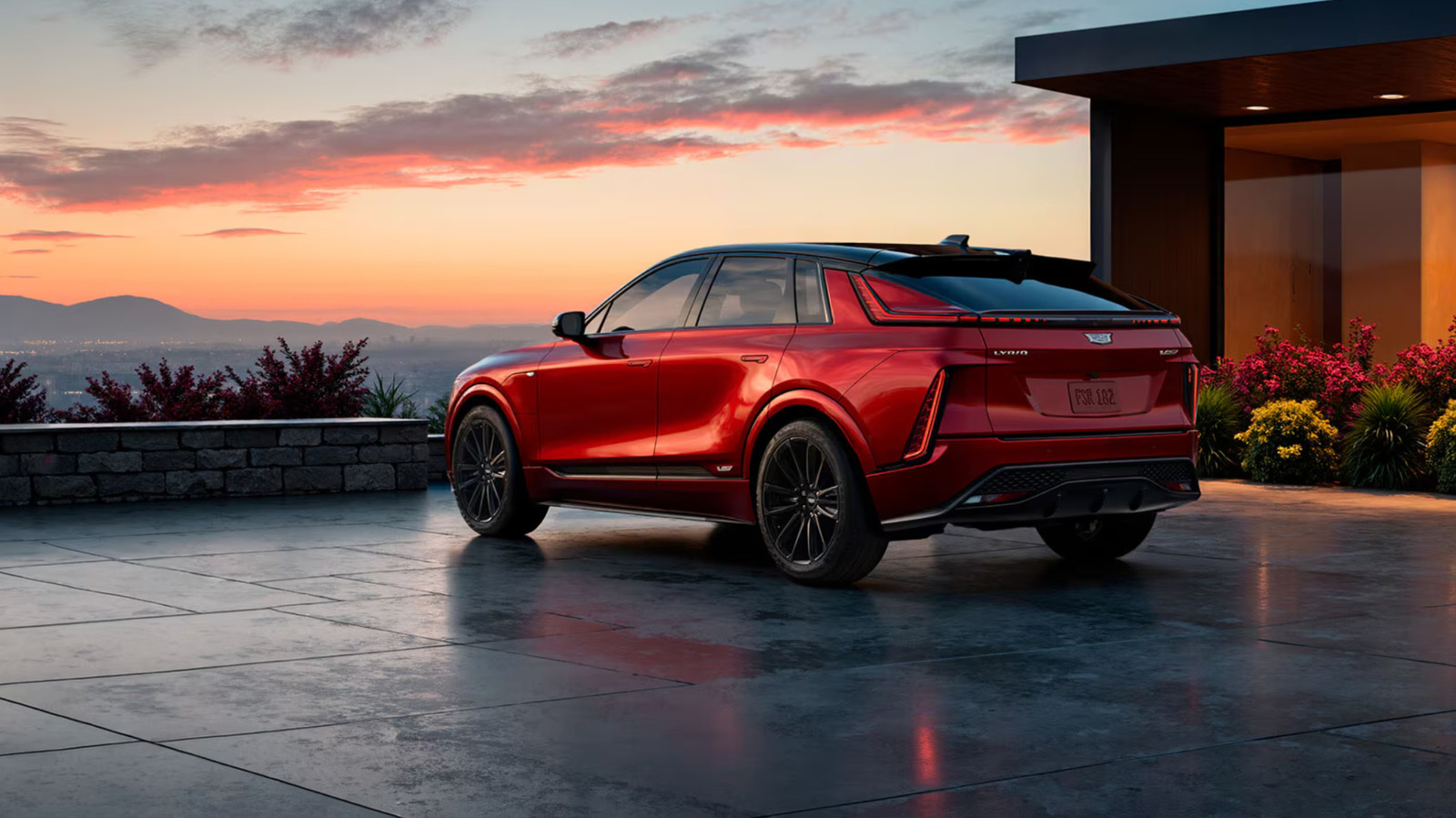
GM is cutting ties with Apple CarPlay and Android Auto to launch its own proprietary infotainment systems. The Cadillac Lyriq is currently the only model allowed to keep phone-mirroring features.

๐ŸŽฏ
Why It Matters

This is a massive play for data ownership and high-margin subscription revenue. For investors, it's a move to expand GM's moat, but for builders, it signals the end of the universal car-app era.

๐Ÿ“ˆ
Market Impact

The shift moves the software battleground from mobile-first mirroring to closed, vehicle-specific ecosystems. This directly threatens the dominance of Apple and Google in the automotive cockpit.

๐Ÿš€
Opportunities
  • โ†’Developers can build niche apps specifically for proprietary automotive OS environments as the universal standard cracks.
  • โ†’UX/UI agencies can pivot to designing bespoke vehicle experiences that go beyond just mirroring a smartphone screen.
  • โ†’Startups building data-layer integrations can help third-party services plug directly into these new closed OEM ecosystems.
โš ๏ธ
Risks & Challenges
  • โ†’Massive consumer backlash if GM's native software feels clunky or less intuitive than the seamless Apple and Google experiences.
  • โ†’Extreme R&D burn as GM attempts to out-engineer the world's most sophisticated software companies.
Deep Intelligence Analysis

The Data War

This isn't just about better music integration. By owning the OS, GM keeps every click, location, and preference for themselves instead of letting Google harvest it. It's a strategic grab for the telemetry that will drive future AI-driven driving features.

The Lyriq Test

The Cadillac exception is a calculated experiment. GM is testing if luxury buyers will tolerate losing CarPlay before they push this shift onto the mass market. They are essentially gauging the 'frustration threshold' of high-margin customers.

The Subscription Play

Vertical integration allows GM to turn the car into a recurring revenue machine. Once they control the software stack, they can gate features like advanced navigation, performance upgrades, or premium audio behind paywalls more effectively than they could with a third-party OS.

What to Watch

Keep a close eye on early user reviews of GM's native interface. If the software feels like a relic from 2015, expect a massive pivot or a major talent acquisition spree to fix the UX.

Key Details

  • GM is choosing data ownership over user convenience to build a more profitable software ecosystem.
  • Builders should prepare for a fragmented market where bespoke vehicle software replaces standard mobile mirroring.
  • The biggest risk is GM's ability to build software that actually competes with the giants they are ditching.
Share