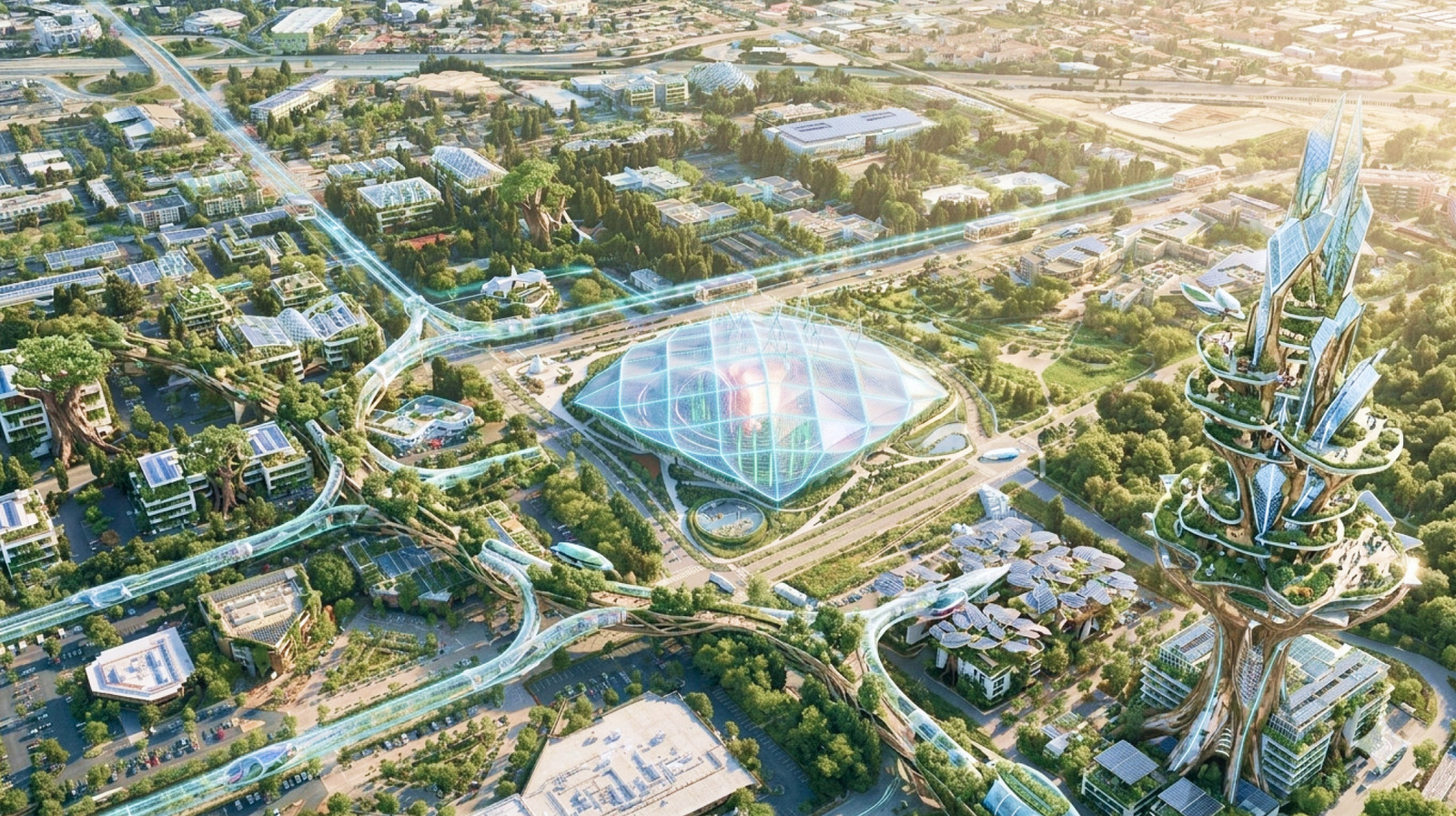
Google rolls back the needless AI generation tools it added to Google Earth
[{"heading":"A Massive Category Error","body":"Google tried to add a creative layer to a platform that people use specifically for factual truth. You do not want your GPS to hallucinate a shortcut, and you do not want your satellite view to imagine a new building. This was not an AI failure, it was a fundamental misunderstanding of user intent."},{"heading":"The End of Ship-First?","body":"The move fast and break things mantra is dying in the era of generative misinformation. In high-stakes industries like law, medicine, or geospatial, a 24-hour window of chaos is enough to trigger a regulatory nightmare. We are moving toward a verify-first, ship-second reality."},{"heading":"The Rise of the Verification Layer","body":"While Google took a hit on speed, this creates a huge gap in the market. There is a massive opportunity for startups to build the infrastructure that distinguishes between raw data and generative modifications. The money is moving from the creators to the auditors."},{"heading":"What to Watch","body":"Watch for how Google reintroduces these features, likely with much heavier watermarking or creative mode toggles. Keep an eye on upcoming EU AI Act enforcement, as this specific type of failure is exactly what regulators are looking to punish."}]
Key Details
- You cannot mix generative 'maybe' with factual 'is' without a massive sandbox. If your product is a source of truth, keep the AI in a separate lane.
- Investors should expect longer development cycles for enterprise-grade AI. Speed is no longer the only metric that matters when reputation is on the line.
- As fake content scales, the real winners will be the tools that authenticate reality. The verification layer is the next big infrastructure play.