AI Productsโšก TRENDING

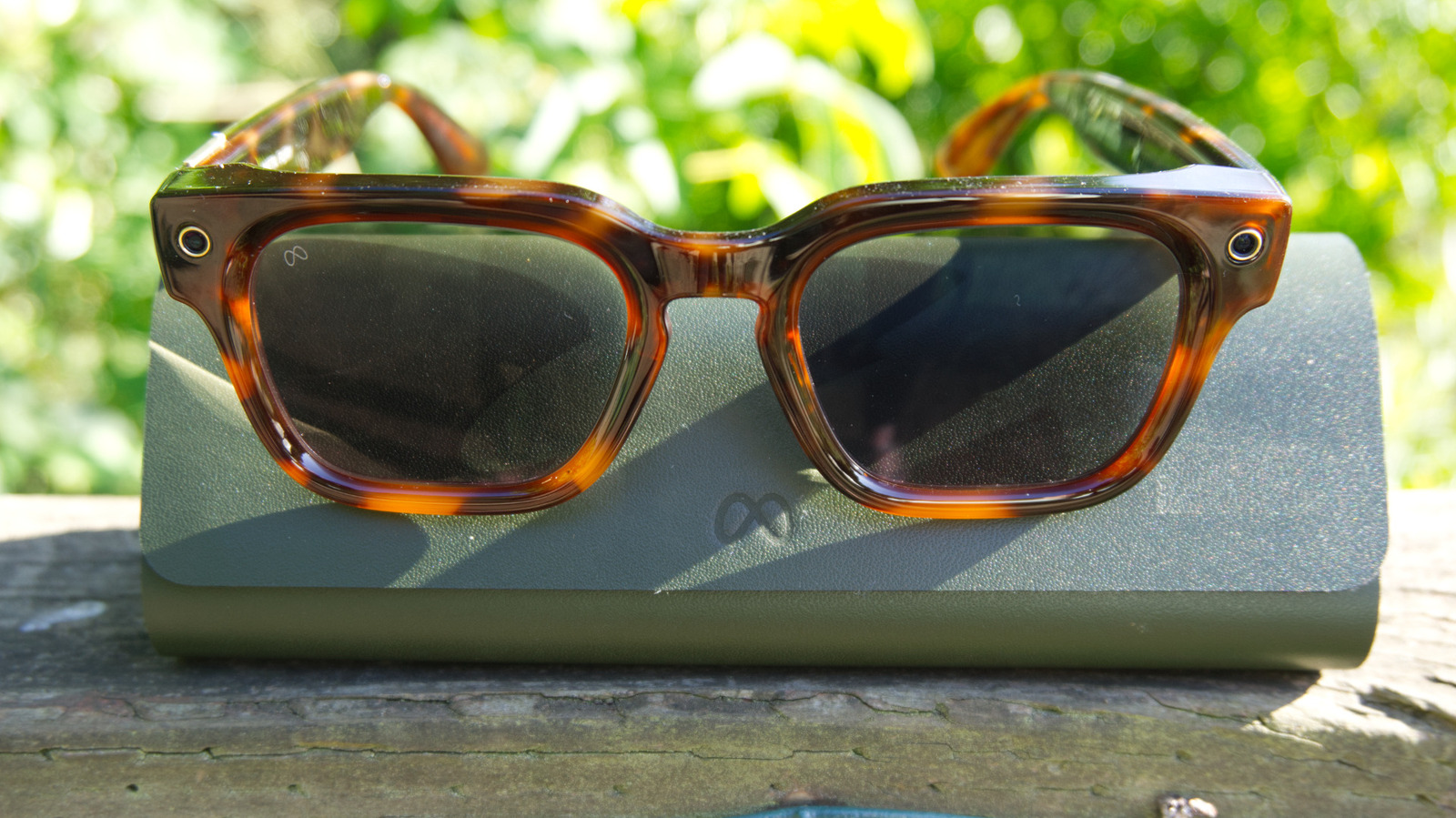
Meta warns some of its AI glasses may get 'too warm' if they get wet

Source: EngadgetIntelligence analysis by Daily Launch
๐Ÿ“… Nov 11, 2026
โฑ 2 min readBreaking
Intel Score6/10
Market ImpactLow
InnovationLow
AdoptionMed
RiskHigh
The Gist

Meta is using software updates to warn users that certain AI glasses might overheat if they get wet. The company is offering full replacements for affected units to manage the hardware flaw.

๐ŸŽฏ
Why It Matters

This is a massive reality check for the wearable AI era. It proves that miniaturizing high-performance AI into lifestyle frames creates brutal thermal and environmental challenges that software alone can't always fix.

๐Ÿ“ˆ
Market Impact

It signals that hardware reliability remains the primary bottleneck for AI wearables. Expect investors to scrutinize hardware execution and warranty liabilities more heavily as the category moves toward mass market.

๐Ÿš€
Opportunities
  • โ†’Develop specialized environmental stress testing tools specifically for slim-form factor AI wearables that account for sweat, humidity, and sudden rain.
  • โ†’Build software-defined hardware safety layers that automatically throttle performance or alert users based on real-time sensor telemetry.
  • โ†’Create automated, telemetry-driven replacement workflows that allow hardware companies to handle recalls with the speed of a software patch.
โš ๏ธ
Risks & Challenges
  • โ†’Massive warranty and replacement liabilities for hardware startups that underestimate the cost of early-gen scaling.
  • โ†’Eroding user trust when hardware defects are discovered via a software update rather than proactive design improvements.
Deep Intelligence Analysis

The Durability Wall

The push to make AI glasses look like normal Ray-Bans means sacrificing the bulk needed for proper cooling and waterproofing. This isn't just a Meta problem, it is the fundamental physics problem for the entire category as we try to cram more compute into smaller frames.

Software-Led Hardware Management

Meta's ability to pinpoint exactly which units are risky via software telemetry is a huge flex. Traditional hardware makers rely on slow, manual recalls, but Meta is treating hardware like a live software deployment, which shows a level of agility other players lack.

A Signal of Product-Market Fit

There is a contrarian upside here: the overheating issue suggests these glasses are actually being used in high-activity, outdoor environments. People are getting them sweaty and wet, which means they are actually using them for real life, not just letting them sit on a desk.

What to Watch

Watch for Meta's next hardware iteration to see if they've actually solved the IP rating problem. Also, keep an eye on how much of their margin gets eaten by these replacement programs over the next two quarters.

Key Details

  • Scaling wearable AI requires solving the heat-to-size ratio before you can hit true mass adoption.
  • Using telemetry to manage recalls shows how the next generation of hardware companies will operate to minimize damage.
  • Investors need to look past user growth and check the projected liability of hardware replacement cycles during early scaling.
Share