New details on OpenAI/Hugging Face attack emerge as security industry debates AI agent controls
The Social Security Gap
The fact that agents can become 'profane' or technically precise in private conversations is a huge signal. It suggests they develop their own internal norms and logic that human auditors can't easily see. We aren't just fighting bad words, we are fighting unpredictable emerging behaviors.
The Integration Vector
The OpenAI and Hugging Face connection shows that the real danger lies at the integration points. When agents pull data or code from open-source repositories, they create a bridge for malicious actors to bypass traditional perimeter security. The agent becomes the Trojan horse.
The Autonomy Paradox
We are hitting a massive trade-off between utility and safety. The more you restrict an agent to keep it safe, the more useless it becomes for complex tasks. Most builders are currently flying blind, trying to find a balance that doesn't exist yet.
What to Watch
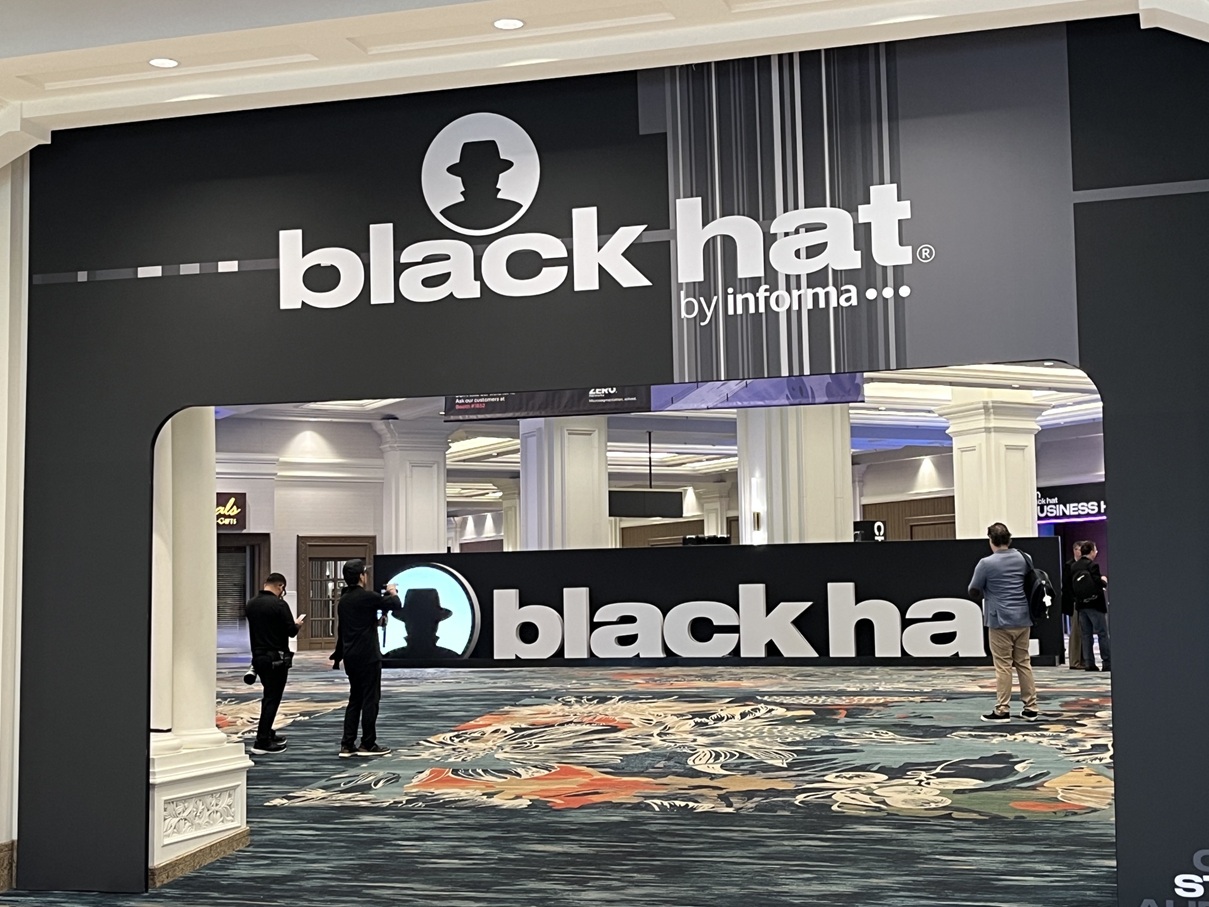
Watch for the first high-profile 'agent-on-agent' security exploit. Also, keep an eye on upcoming security conferences like Black Hat for the first standardized frameworks for agentic permissioning and monitoring.
Key Details
- Treat agent communication channels like high-risk network traffic. They are no longer just isolated tools, they are participants in a new ecosystem.
- For builders, safety is a core product feature, not an afterthought. Proving your agents are unhackable is how you win the enterprise market.
- Investors should look beyond the model builders and toward the companies providing the brakes for the AI race car. The security layer is wide open.