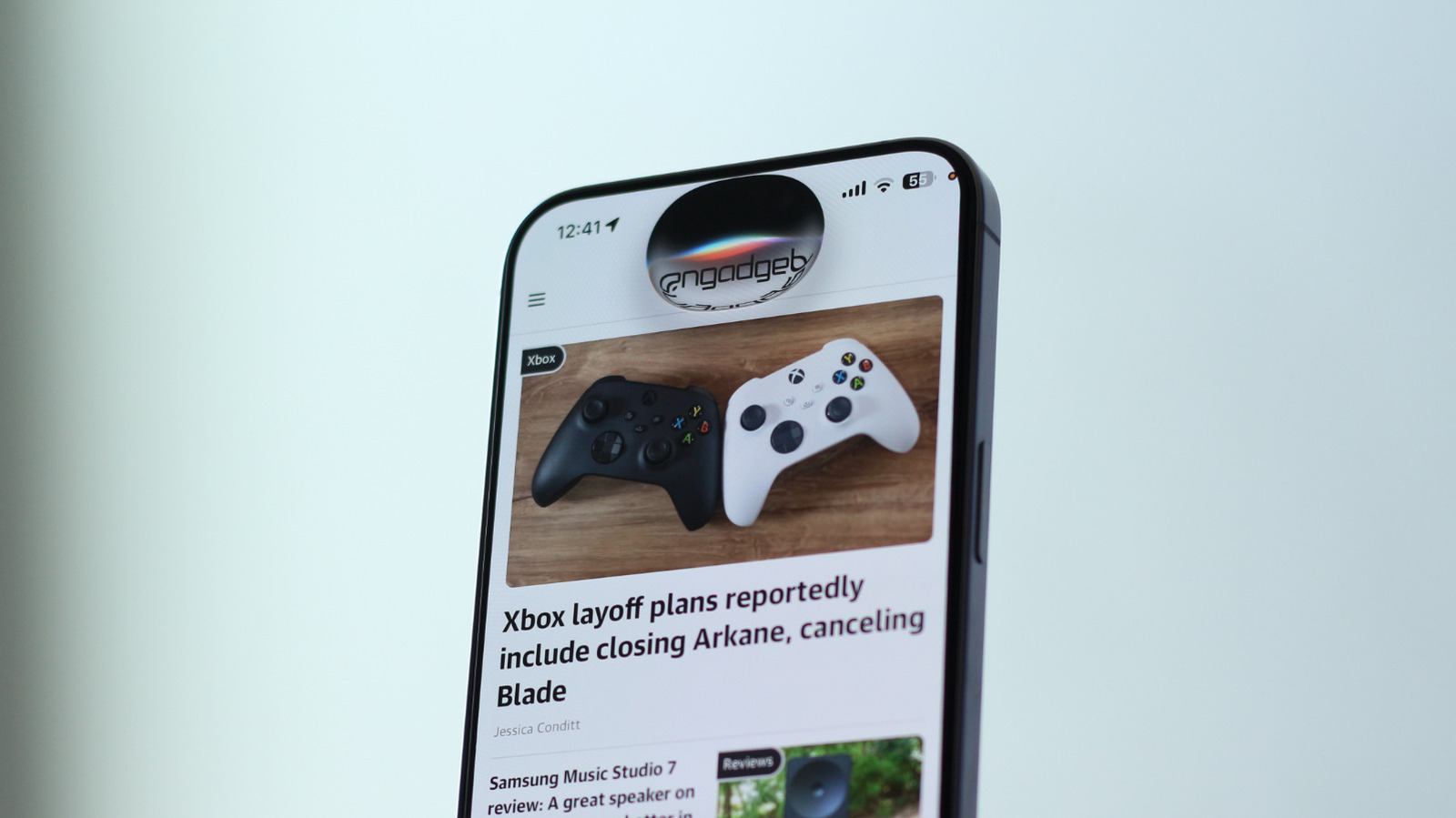
Apple is finally giving Siri a massive brain upgrade, but it comes with a heavy catch. Only the newest, most powerful iPhone models will actually run the new AI features this fall.
🎯
Why It Matters
This creates a massive hardware gap in the AI market. For builders, it means your target mobile audience is now split by silicon capability, and for investors, it shows how Apple uses software to force hardware upgrade cycles.
📈
Market Impact
This move forces a hardware refresh driven by intelligence rather than just camera specs. It also solidifies Apple's moat by making high-end AI a premium, device-locked experience.
🚀
Opportunities
→Build lightweight, cloud-based mobile wrappers for users stuck on older hardware who want the smart experience without the new phone.
→Target the specific high-end chipsets Apple is prioritizing to ensure your on-device AI tools run flawlessly.
→Develop tools that bridge the intelligence gap for older devices by using API-driven intelligence rather than local processing.
⚠️
Risks & Challenges
→Developers face a fragmented user base where one app version might feel premium on an iPhone 16 but unusable on an iPhone 13.
→Apple's system-level integration could make it incredibly difficult for third-party AI assistants to gain meaningful traction.
Deep Intelligence Analysis
The Silicon Ceiling
Apple isn't just releasing software, they are setting a new floor for what smart hardware actually means. By tying Siri's capabilities to specific chips, they ensure the experience stays smooth while giving users a massive reason to upgrade.
Distribution is the Ultimate Moat
A better model doesn't always win, the integration does. Even if a startup builds a more capable LLM, they cannot easily beat the frictionless, system-level access that Apple has built into the OS.
The Intelligence Gap
We are moving toward a tiered internet of intelligence. This creates a world where your device's IQ is directly tied to its manufacturing cost, making it harder for developers to maintain a single UX standard.
What to Watch
Watch the early adoption rates of Apple Intelligence features. If users don't feel an immediate, daily utility, the promised hardware upgrade cycle might not actually happen.
Key Details
Your chip is now your intelligence ceiling. Developers need to build specifically for certain silicon tiers to avoid performance issues.
AI is becoming a primary driver for phone replacements. Investors should watch for how this accelerates Apple's replacement cycles.
Instead of trying to replace Siri, build features that thrive within its new ecosystem. Integration wins over pure competition here.