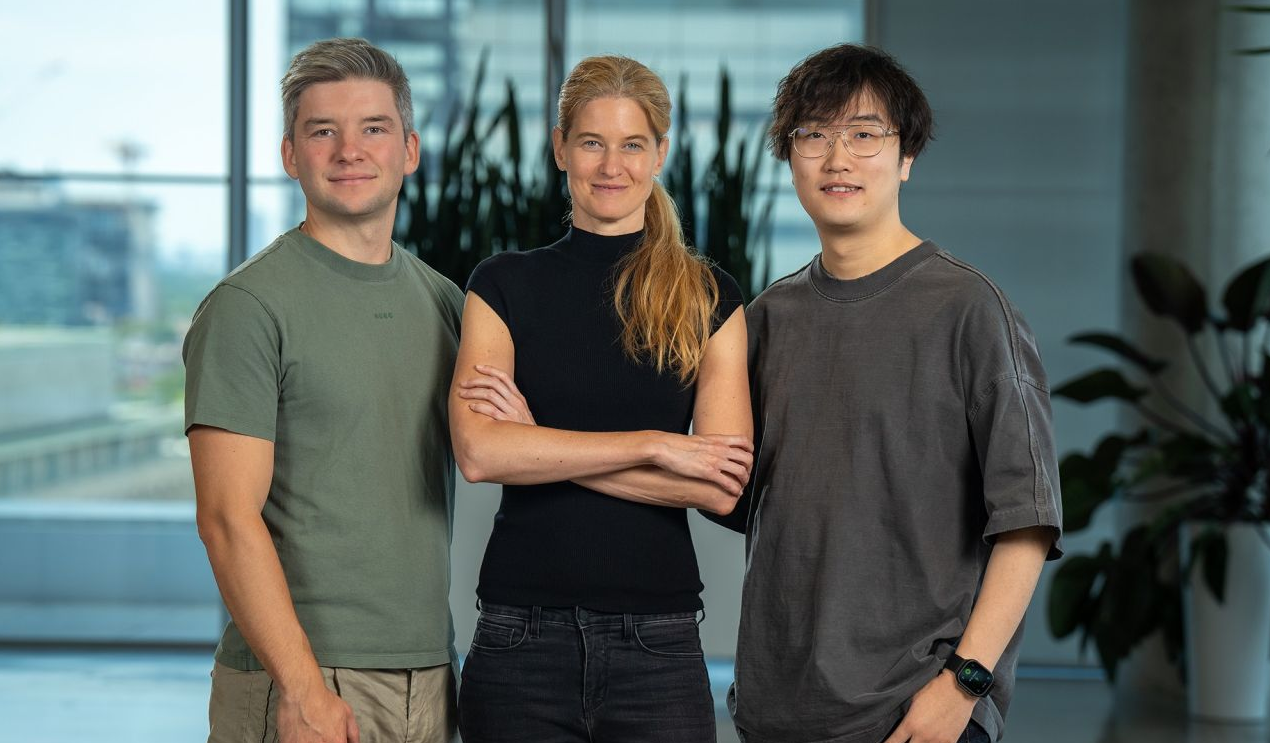
Sanja Fidler's world model startup Veeda AI raises $90M in seed funding
The $90M Seed Reality Check
A $90M seed round is almost unheard of and shows that VCs are pivoting hard toward the physical AI stack. We are moving past the era of chatting with data and into an era of simulating reality. If Fidler delivers, the moat won't be the code, it will be the quality of the physical reasoning.
Beyond the Chatbot
Most current AI struggles with basic physics, like knowing a glass will shatter if dropped. Veeda is aiming at this exact blind spot. The winners here won't just be the ones with the best models, but the ones who can make those models actually useful for real-world hardware.
The Distribution Trap
The biggest danger is building a brilliant model that nobody knows how to use. If Veeda operates like a pure research lab instead of a product company, they will lose to players who prioritize seamless integration into existing robotics and simulation workflows.
What to Watch
Watch for their first technical demo or white paper to see if they actually solve spatial reasoning or if they are just building an expensive video generator. Keep an eye out for early partnership announcements with robotics hardware makers over the next 12 months.
Key Details
- The era of the small seed is being replaced by massive bets on foundational physical intelligence. This raises the barrier to entry for new AI startups.
- For builders, the opportunity is shifting from LLM wrappers to models that understand the physical world. Focus on spatial and temporal reasoning.
- Investors should look past the $90M headline and track how easily these models plug into existing hardware. A model without a distribution path is just a science project.