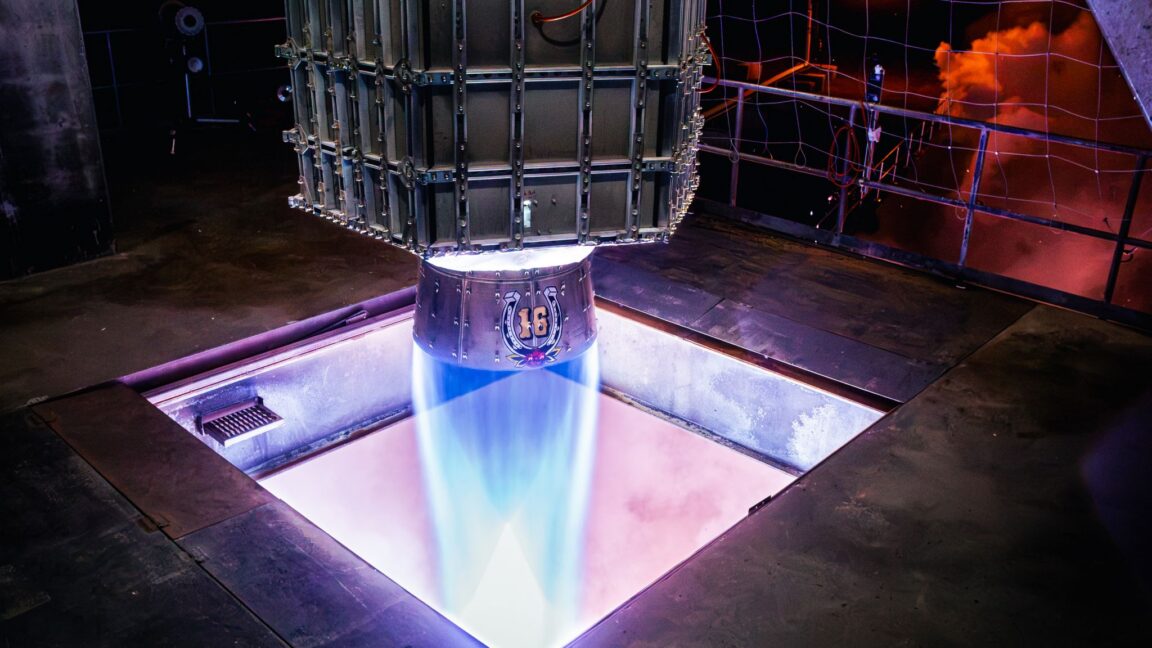
The US military is panicking because they can't get enough rocket launches. We are hitting a massive supply bottleneck for putting hardware into orbit, which threatens defense and satellite capabilities.
🎯
Why It Matters
If you're building AI for the edge or satellite-based intelligence, your deployment timeline just got a lot longer. The physical layer of the tech stack is stalling, which hits anyone betting on real-time orbital data.
📈
Market Impact
SpaceX dominates the queue, leaving everyone else fighting for scraps and driving up launch costs. This bottleneck favors incumbents with secured slots and punishes startups relying on cheap future launch availability.
🚀
Opportunities
→Focus on software-defined satellite capabilities that maximize existing hardware rather than waiting for new launches
→Build tools that optimize data transmission from already deployed assets to bypass the need for constant hardware refreshes
→Look at orbital debris management or life-extension services as companies try to squeeze more value out of current satellites
⚠️
Risks & Challenges
→Heavy reliance on a single launch provider like SpaceX creates a massive single point of failure for orbital AI startups
→Capital-intensive hardware plays face much longer ROI windows if launch schedules slip by years
Deep Intelligence Analysis
The Bottleneck
Space launch isn't a theoretical problem anymore, it's a logistical nightmare. The military's concern proves that the new space era is hitting a hard ceiling of physical reality.
The AI Connection
Edge AI needs hardware, and hardware needs a ride up. If you're planning to deploy specialized AI chips on satellites to process data in orbit, your roadmap is now at the mercy of launch manifests.
Winner Takes All
This creates a massive moat for companies that already have hardware in orbit. The move fast and break things ethos doesn't work when moving fast requires a multi-year waiting list for a rocket.
What to Watch
Watch for any major announcement regarding reusable heavy-lift rockets or new government-subsidized launch programs. Also, track the rise of software-only orbital plays that aim to extract more intelligence from legacy hardware.
Key Details
Deployment speed for orbital AI is no longer about code, it's about rocket availability.
Investors should demand more realistic deployment schedules for any space-adjacent AI play.
If you can't launch new sensors, your edge models better be elite at squeezing data from existing ones.