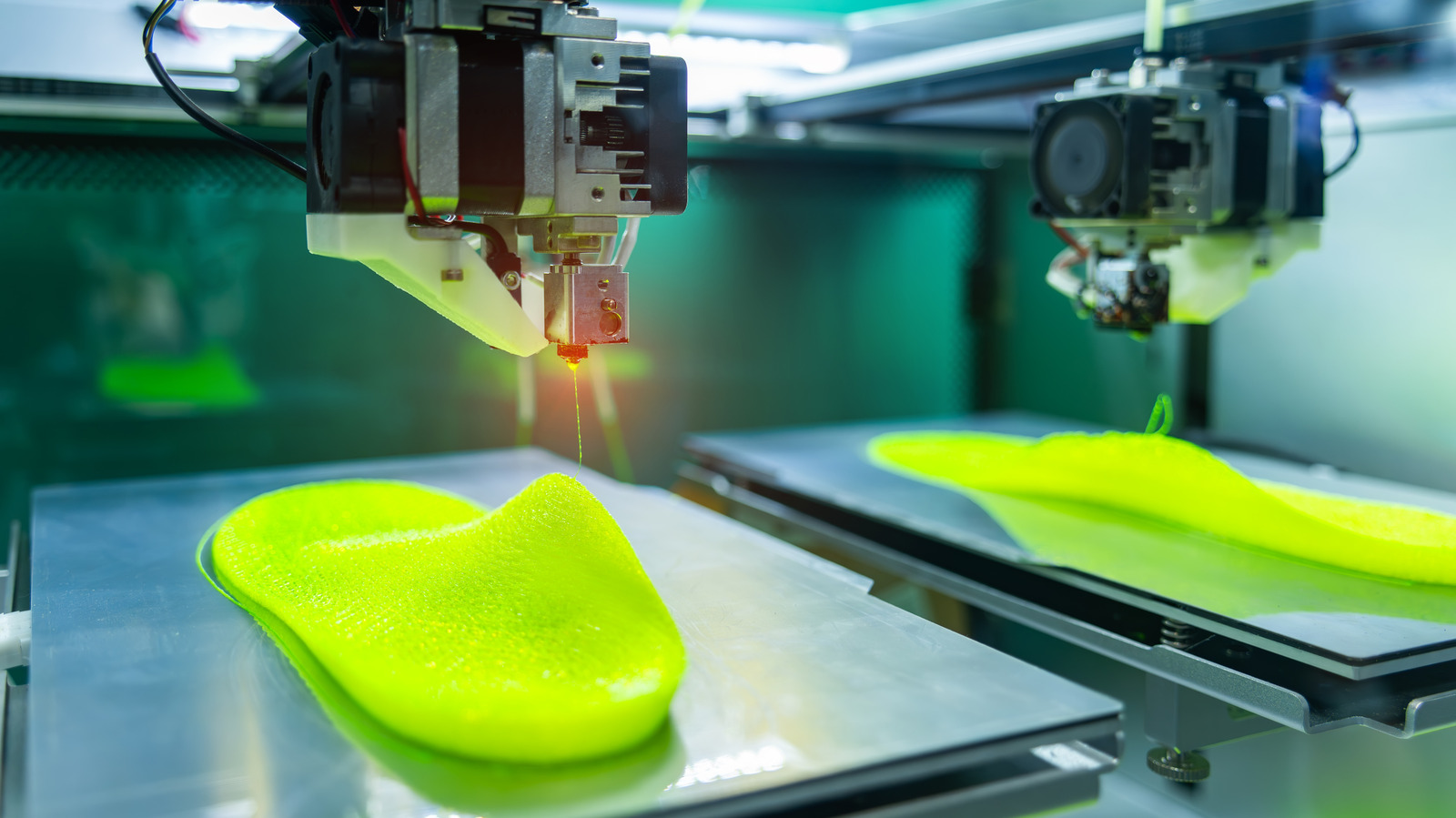
3D printing is moving from a niche toy to a serious cost-saver for high-end hobbyists. For the builders working on embodied AI, this signals a massive reduction in the cost of physical prototyping.
🎯
Why It Matters
If your AI needs a body, your speed is capped by your hardware cycle. This shift toward decentralized, cheap manufacturing means the loop between software and physical testing is about to tighten.
📈
Market Impact
Lowered prototyping costs will likely accelerate the number of hardware-enabled AI startups, shifting capital away from large-scale manufacturing toward rapid, small-batch experimentation.
🚀
Opportunities
→Generative design tools that turn LLM prompts into print-ready CAD files.
→Hyper-local hardware testing networks for rapid edge AI deployment.
→AI-driven optimization of 3D print settings to minimize material waste for complex robotics parts.
⚠️
Risks & Challenges
→The Feature vs. Product trap, where companies build on top of commodity hardware without adding proprietary value.
→Variable part quality, which can introduce unpredictable noise into physical AI training data.
Deep Intelligence Analysis
{"whatHappened":"Recent reports show 3D printing is becoming a core utility for expensive hobbies, allowing users to manufacture custom parts for a fraction of retail costs.","missedDetail":"The real signal is not the consumer savings, it is the collapse of the hardware iteration loop. We are seeing the convergence of generative design and consumer-grade fabrication.","zoomOut":"As AI moves from digital chatbots to embodied agents, the bottleneck shifts from model quality to the speed of physical experimentation. Decentralized manufacturing solves this bottleneck.","whatToWatch":"Look for the rise of generative CAD tools that integrate directly with consumer hardware. The moment a founder can say 'build me a better arm' and the printer starts moving, the industry shifts."}
Key Details
Fast physical testing determines how quickly you can train and deploy embodied models.
Moving from buying specialized parts to printing them lowers the entry barrier for hardware-heavy startups.
Value will migrate to the software layer that translates AI intent into printable physical reality.